

Locally sourced & turned Hawaiian wood.
Purchase special wood pieces harvested locally here in Hawaiʻi from recycled trees or book a private class on the lathe with Kaleb Nakanelua.
Five pieces on the shelf, each one of a kind, from $550.
Make a bowl, buy a bowl or buy blanks.
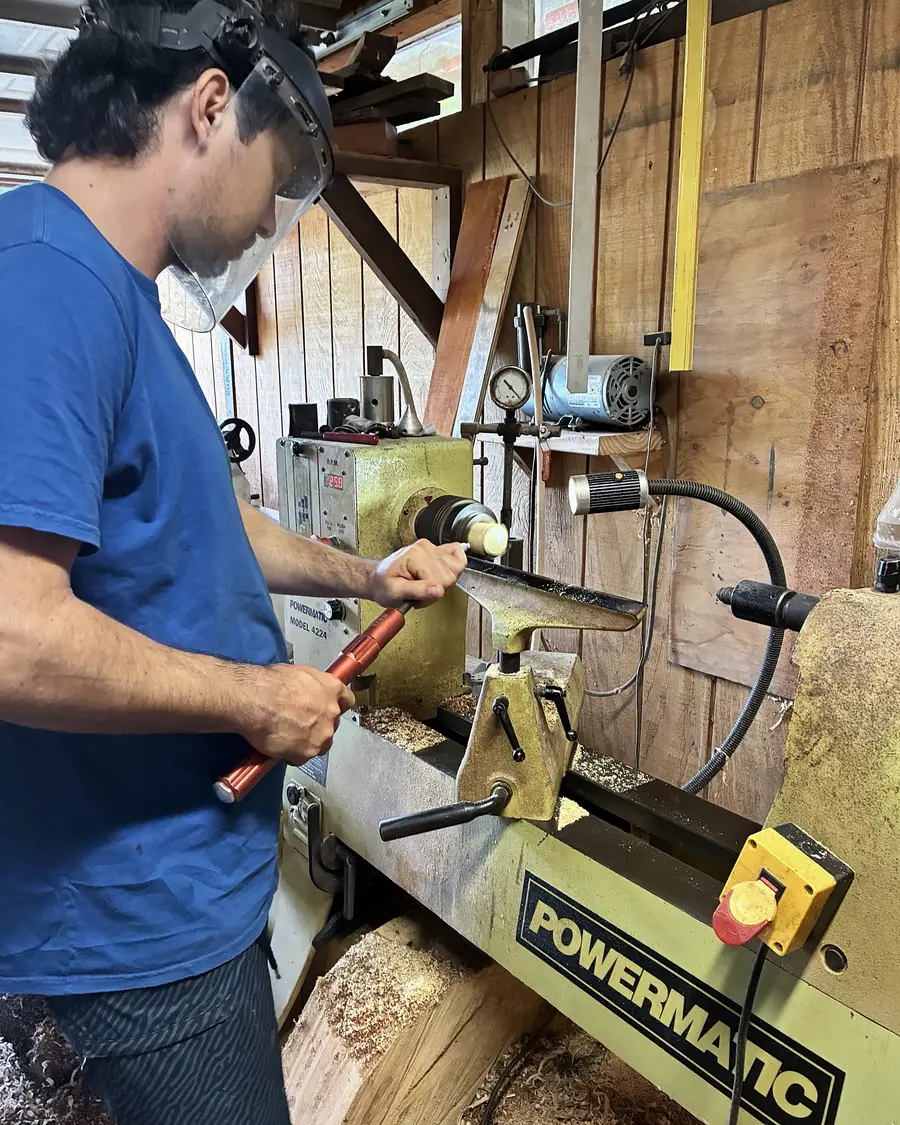
Make a bowl
A one-day woodturning class with Kaleb in his Kāneʻohe shop, one-on-one. Never turned before? Most people haven’t. He’s beside you for every cut and the bowl goes home with you.
$400 per person for the day, wood and tools included.
Book a class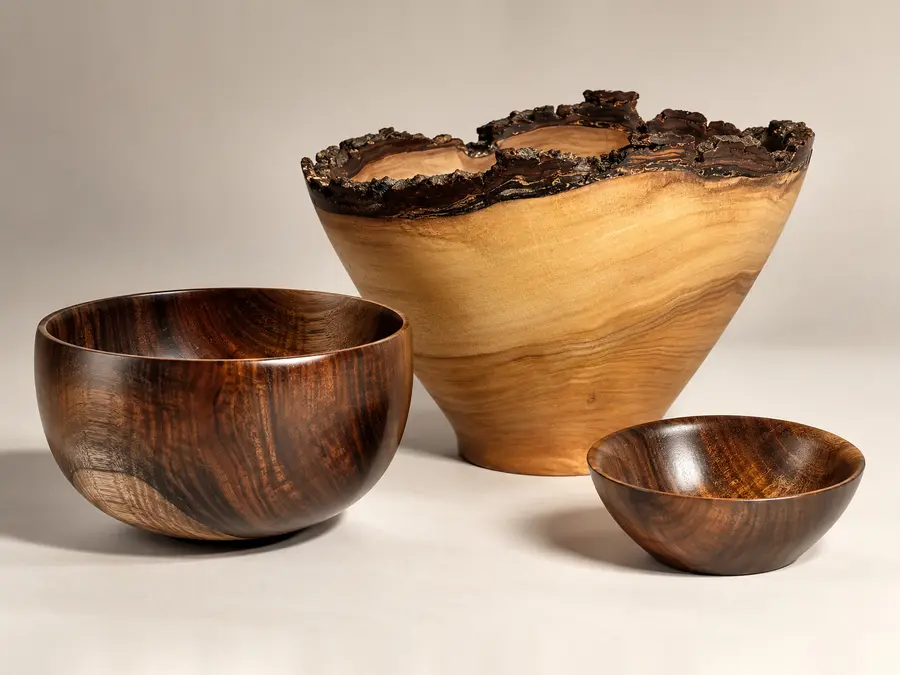
Buy a bowl
Bowls, platters and other pieces from Oʻahu trees that were being removed or needed removal. Each piece for sale tells you which tree it was and where it stood.
From $550. Pick up in Kāneʻohe or have it shipped.
Shop bowls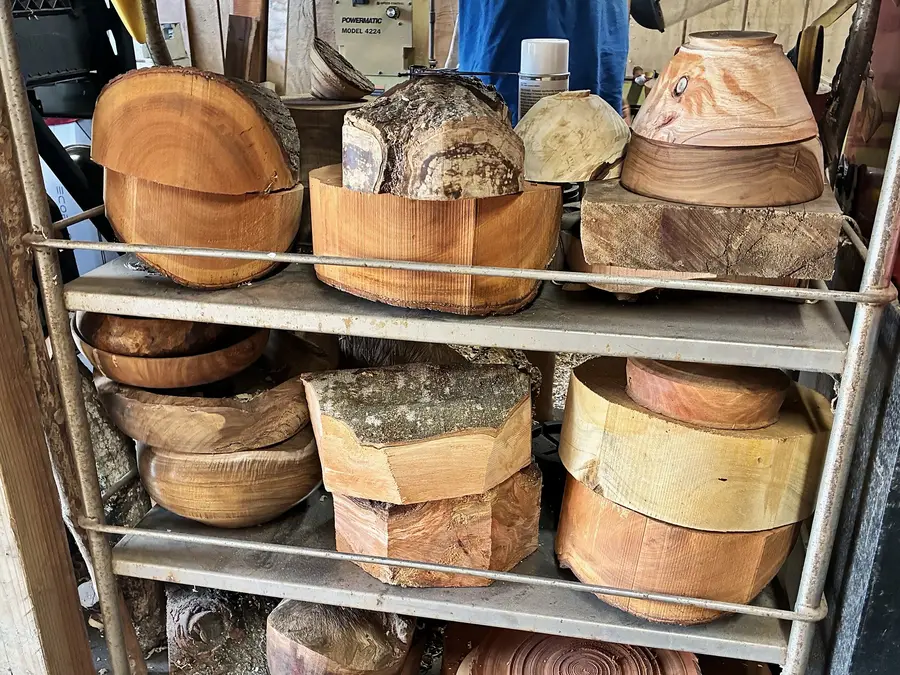
Buy the blank
Got a lathe of your own? Turning blanks in mango, monkeypod, Norfolk Island pine and milo, cut and sealed here on Oʻahu.
Priced by size and wood.
See the blanksNew on the shelf.
Shop bowls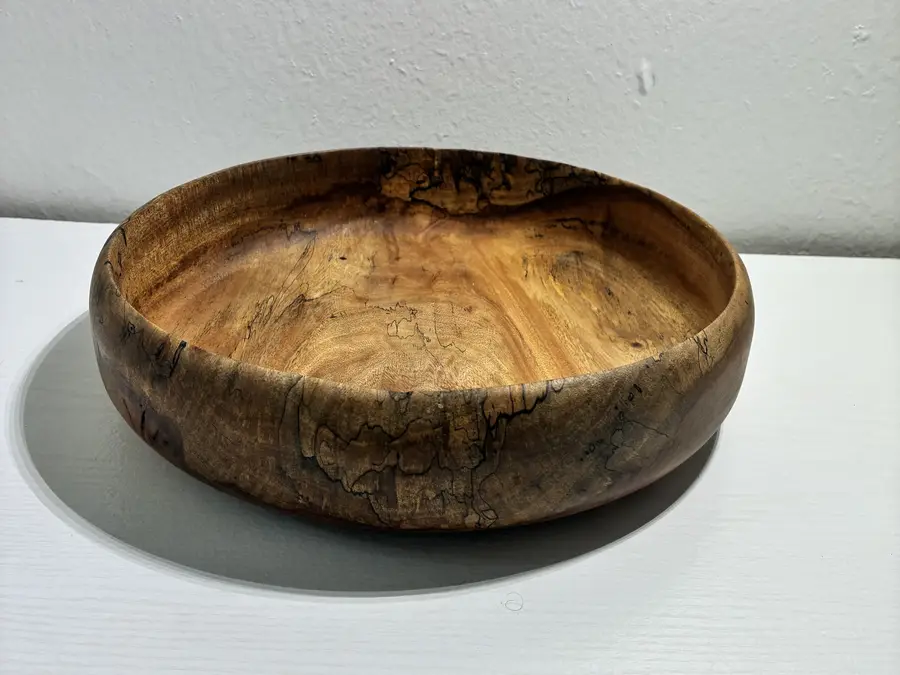
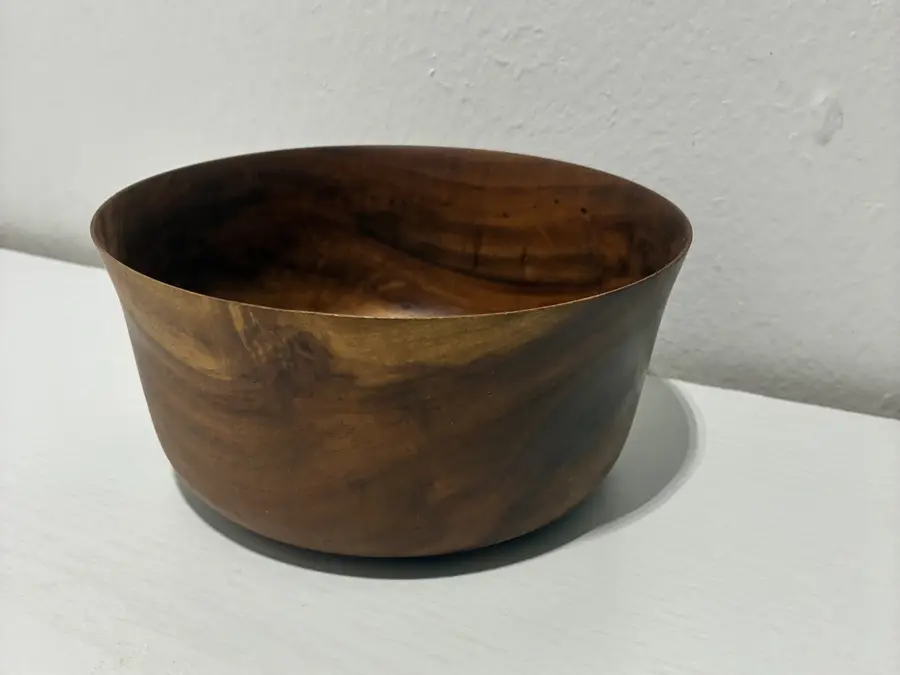
The woods being turned now.
All eight grow on Oʻahu, and every piece comes from a tree that was coming down anyway.
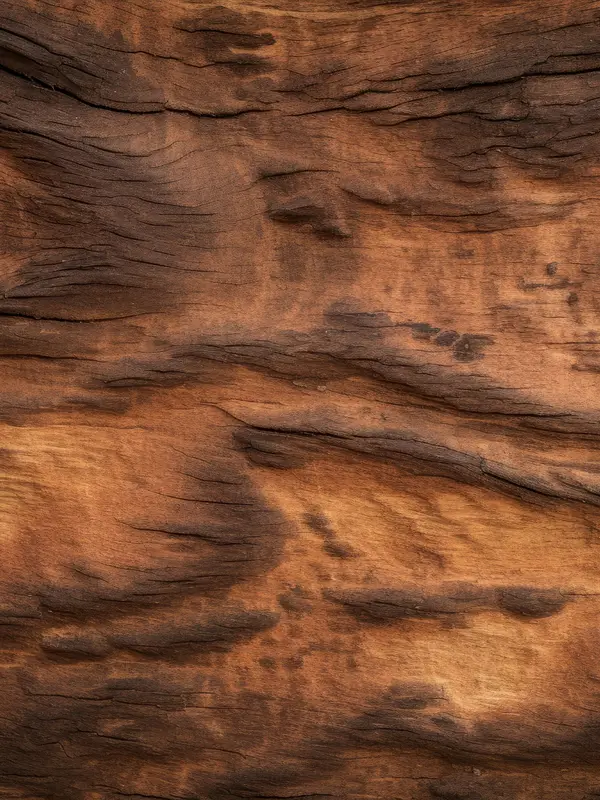
Monkeypod
Samanea saman
Chocolate heart, pale edge. The wood Hawaiʻi’s bowl trade was built on.
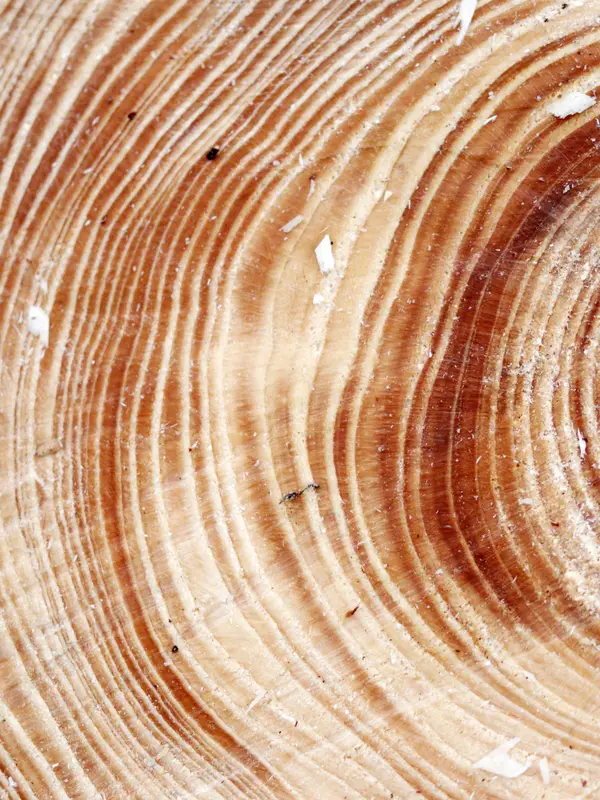
Norfolk Island pine
Araucaria heterophylla
Pale, soft and knotty. Turned thin, it lets the light through.
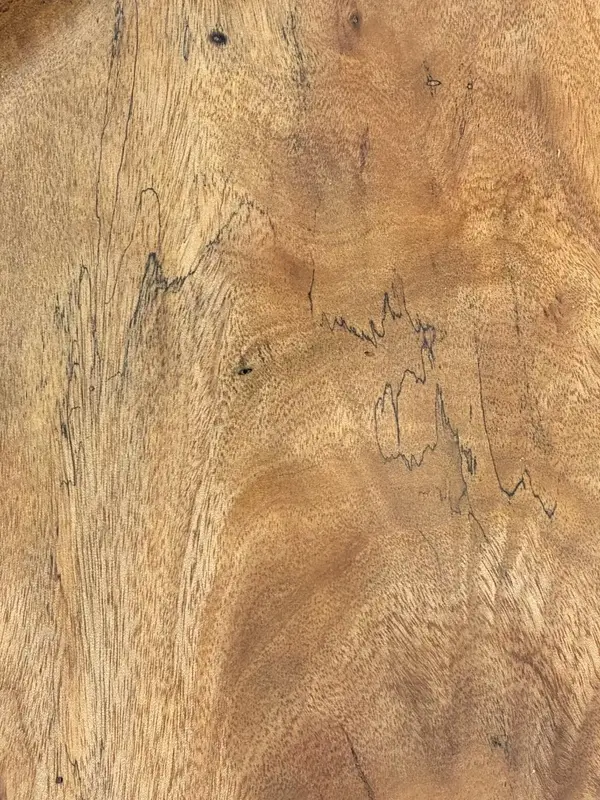
Mango
Mangifera indica
Golden, often streaked and spalted. The yard tree of the wet valleys.
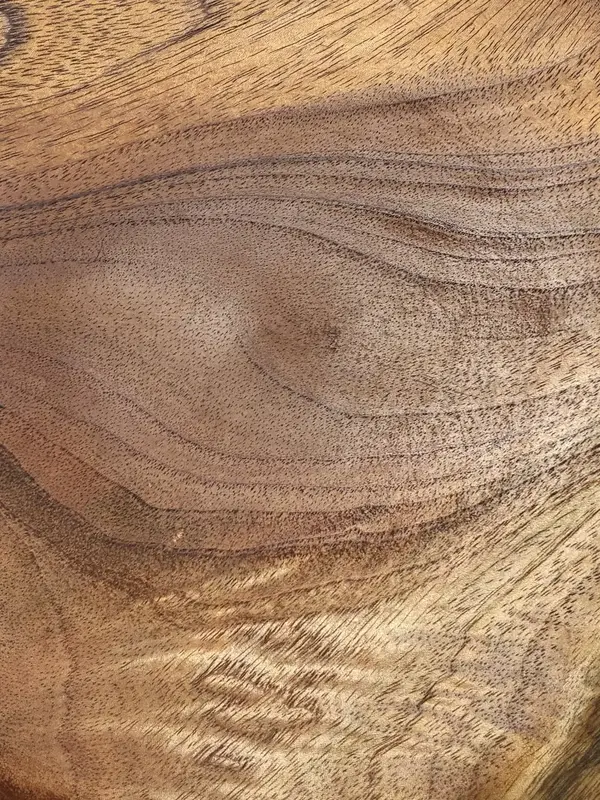
Toon
Toona ciliata
Red-brown and light in the hand. Australian red cedar, here since 1918.
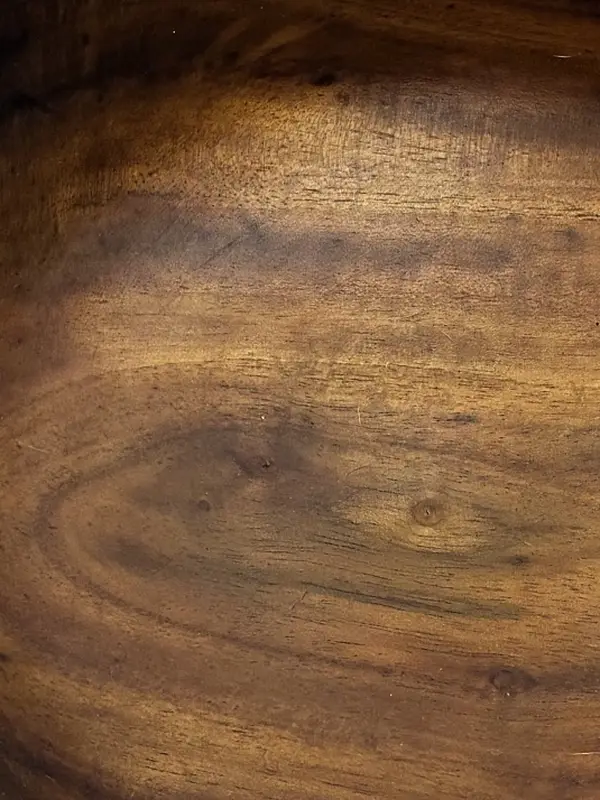
Milo
Thespesia populnea
Dark heart, cream edge. A food-bowl wood of old Hawaiʻi.
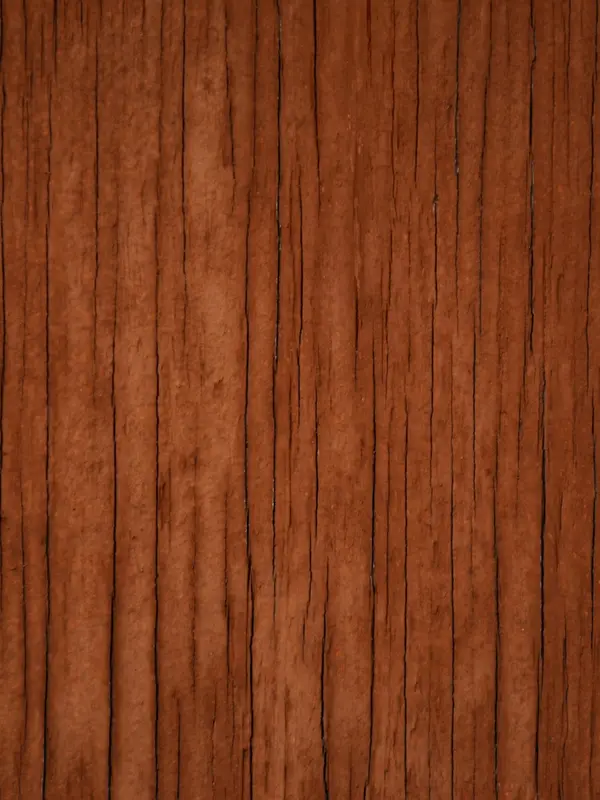
Kamani
Calophyllum inophyllum
Red and white when cut, reddish brown with age. A calabash wood.
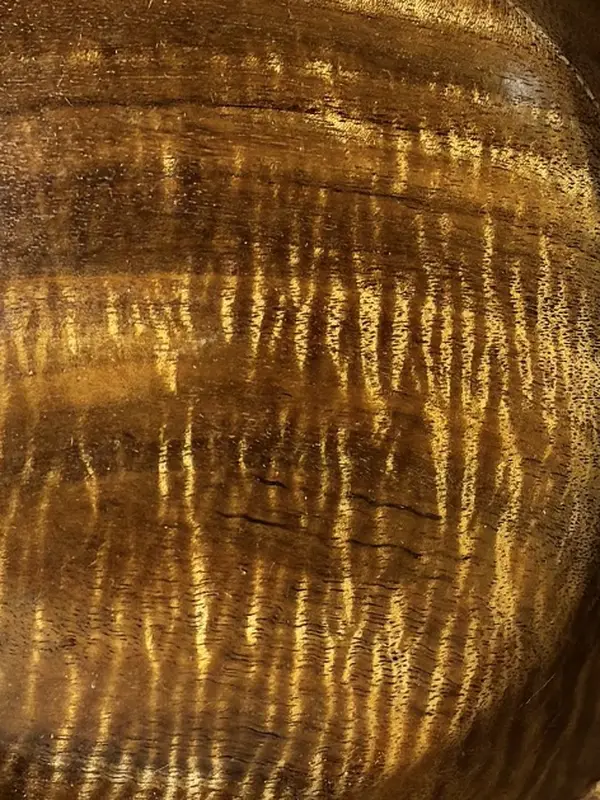
Koa
Acacia koa
Hawaiʻi’s own. Golden to red brown, with a shimmer, and only now and then.
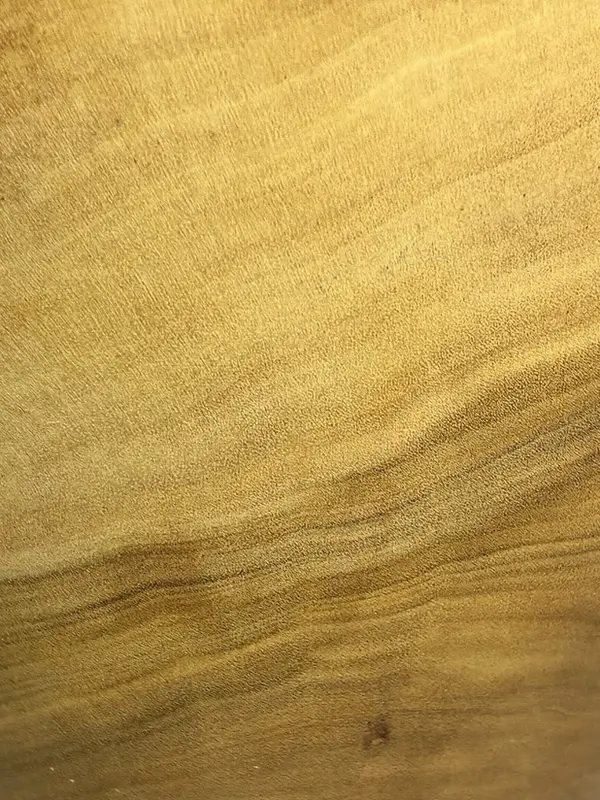
Naio
Myoporum sandwicense
Hard and fine-grained. A native wood once passed off as sandalwood.
Every piece starts as a tree that needed to come down.
Kaleb is an arborist as well as a turner, so he usually knows the tree. He can tell you what it was, where it stood and why it had to come down.
 The tree
A mango that outgrew a yard, a monkeypod that fell over in a storm, a Norfolk Island pine too close to a house. Kaleb often takes the trees down himself, and the trunk comes back with him to the shop instead of the chipper.
 The cut
Kaleb cuts the trunk into rounds while the wood is still wet and seals the ends, so it dries slowly instead of splitting.
 The wait
Wet wood shrinks and warps as it dries, so each bowl is roughed out thick and left on a shelf for months. Nobody can hurry this part.
 The lathe
Back on the lathe for the second turning. The walls come down to their final thickness and the sanding goes on until it feels right in the hand.
 The bowl
A coat of food-safe oil brings the color up out of the grain. Then it’s ready for the table, along with the story of its tree.
Lost a tree? Keep it as bowls.
When a tree you love comes down, or has to, Kaleb can collect the wood, dry it and turn it into bowls for your family. A bowl from the mango everyone climbed or grew up with means more than any bowl from a store. Every tree has its story.
Questions people ask.
Not answered here? Call or text Kaleb on (808) 729-1560, or write to him.
Do I need any experience to take the woodturning class?
No. Most people who come have never used a lathe. Kaleb teaches the tools and the safety rules first and stays beside you for every cut. The bowl you go home with is one you turned yourself.
How much is the class?
$400 per person for the day. The wood, the tools, the safety gear and the finish are included, and so is the bowl. Two of you on two lathes is $800. Everything about the class.
Can I buy a bowl without taking the class?
Yes. Everything finished and for sale is in the shop, with its size, its price and the tree it came from. Pick it up in Kāneʻohe, or have it shipped within Hawaiʻi or to the mainland.
Where is the shop?
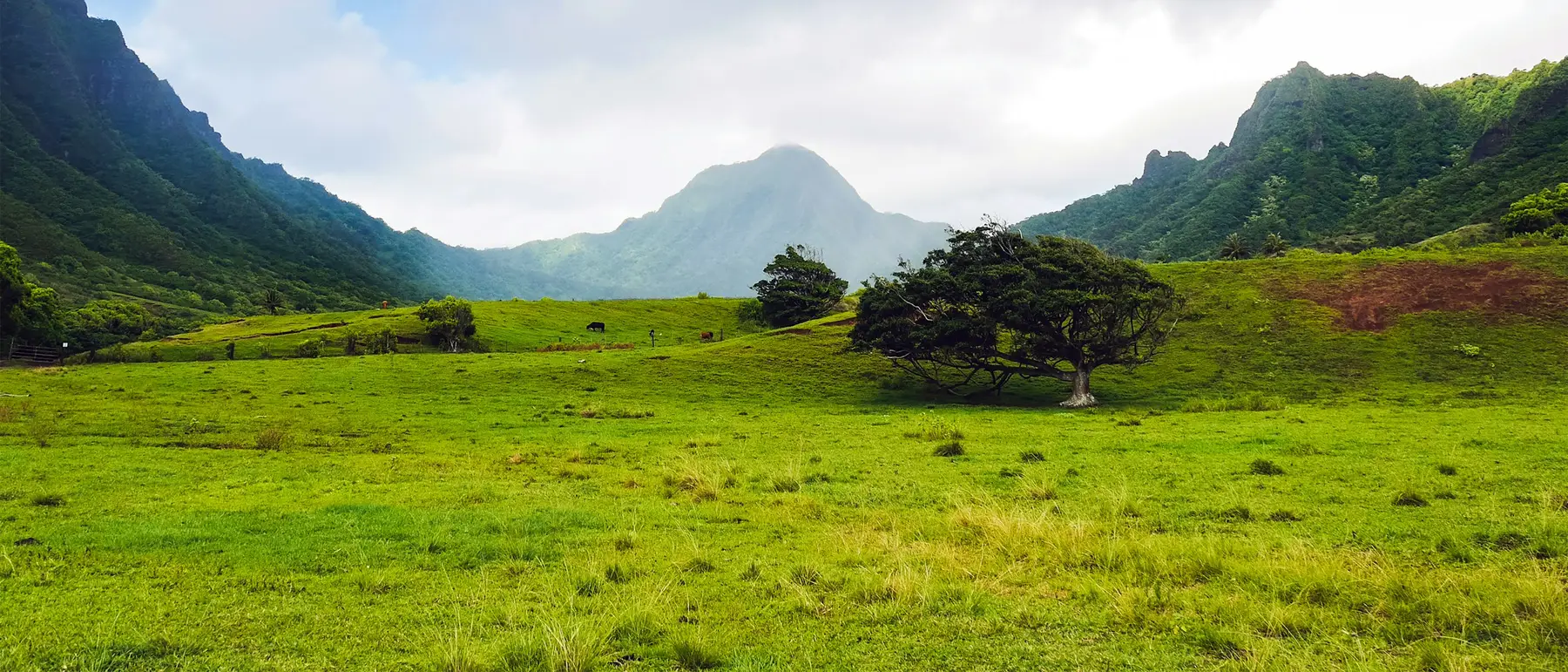
In Kāneʻohe, on the windward side of Oʻahu, over the Koʻolau from Honolulu. It’s by appointment, so the address comes with your booking.
What woods do you use?
Whatever Oʻahu trees came down lately. Mostly that’s mango, monkeypod, Norfolk Island pine and milo, with kamani and koa when a tree comes through. Nothing is imported and nothing is cut down for a bowl. More about the woods.
Do you do tree work?
Yes. Kaleb is an arborist too: he trims trees and coconut palms, takes trees down and clears the stumps, and a tree that has to come down can come back to you as bowls. More about the tree work.
Come turn a bowl.
One day, one-on-one, in Kāneʻohe. Bring closed shoes, a snack and some curiosity. Kaleb has the rest.